Blog

  • Global Micro-chips Race :

    Global Micro-chips Race :

    “Africa claims its rightful place at the Nairobi Semiconductor Investors Forum” By Dr Williams Makwinja and Taurai Chiraerae

    Nairobi, Kenya Africa took a decisive step toward reshaping its role in the global technology economy at the inaugural, “Africa Semiconductor Investors Forum”, held from April 20 to 22, 2026. Convened by AUDA‑NEPAD and the African Academy of Sciences (AAS), the gathering signaled a strategic shift: the continent intends to move from exporting raw minerals to participating meaningfully in the semiconductor value chain. Framed under the theme “From the Ground Up: Africa’s Minerals‑to‑Microchips Moment,” the Forum arrived at a time when global supply chains are being reconfigured. The COVID‑19 pandemic, the tariffs and the ongoing war in the Golfe exposed the fragility of concentrated chip manufacturing hubs, prompting governments and corporations to seek new, diversified production bases. Africa’s leaders believe the continent can fill part of that gap, if it builds the right capabilities.

    A New Institutional Architecture for a New Industrial Era. One of the Forum’s most significant outcomes was the establishment of the Africa Semiconductor Technical Advisory Group (ASTAG), a body tasked with steering the continent’s semiconductor roadmap. Although not finalized, ASTAG will be a diverse group from all the RECs with a gender balance. Already Dr. William Makwinja of CAISD is part of the developing group.  Delegates also launched the African Research and Technology Organizations Alliance (ARTOA) to coordinate applied research and technology localization under the African Union’s Agenda 2063. Momentum will continue with the next Africa Semiconductor Conference, scheduled for November/December 2026 in South Africa.

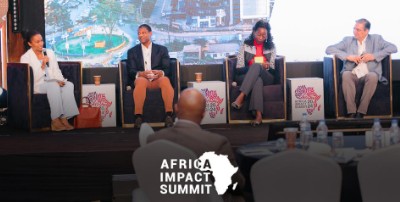
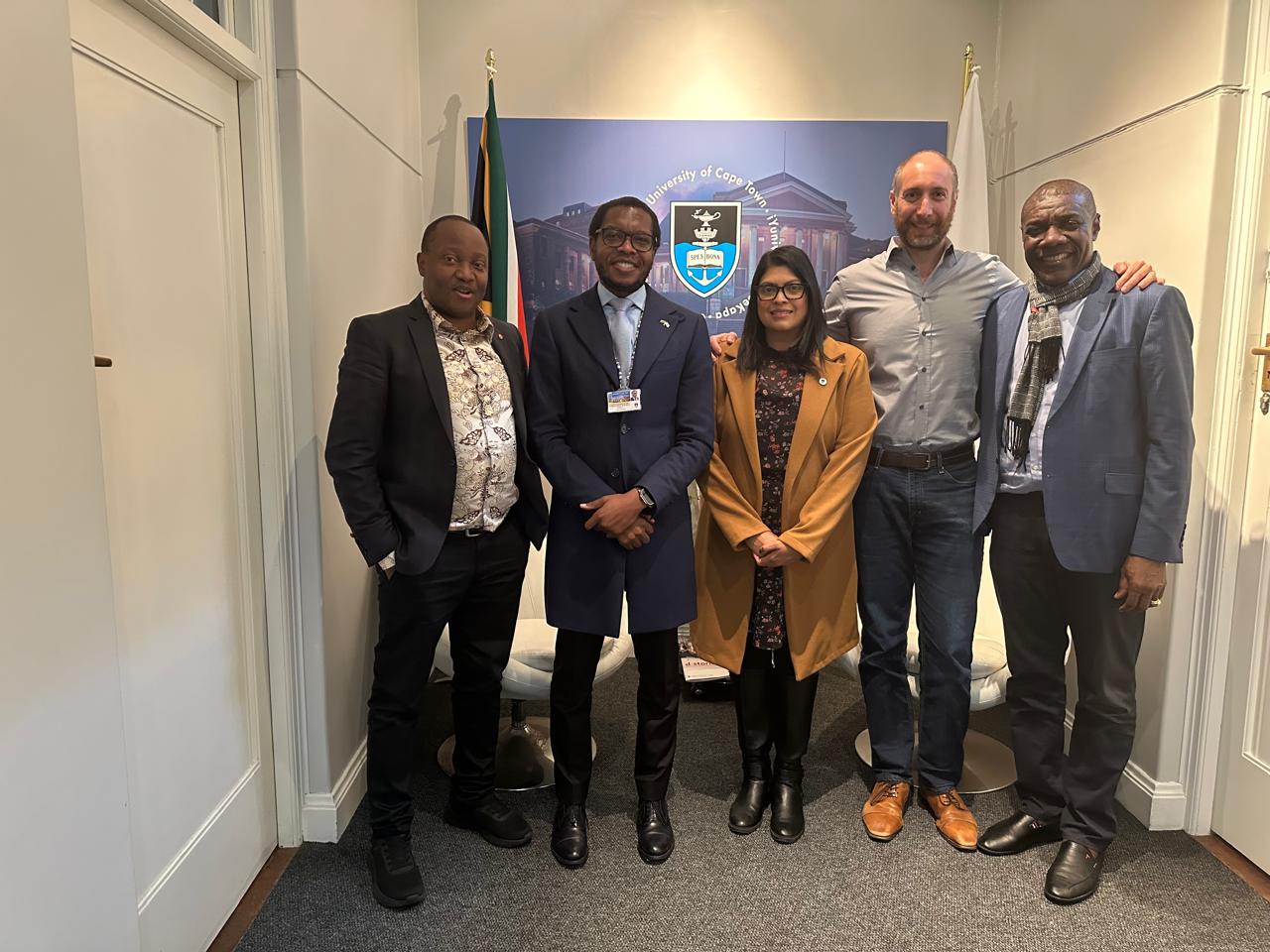
    In picture: CAISD’s Dr William Makwinja attending the Nairobi Forum

    Speakers emphasized that Africa already holds the essential ingredients for a semiconductor industry:  

    • Critical minerals used in chipmaking  
    • A rapidly expanding consumer and industrial market  
    • A young, trainable talent base.

    What is missing is a structured investment framework to connect these assets.

    AUDA‑NEPAD presented data showing that rising mobile penetration, IoT deployment, and automotive electronics are transforming Africa’s 1.5‑billion‑person population into a powerful demand‑pull market. One example is the continent’s $1‑billion‑a‑year smart‑meter market, currently dominated by imports. Panelists argued that targeted procurement policies such as local content requirements could shift this demand toward domestic manufacturers.

    The African Continental Free Trade Area (AfCFTA)was repeatedly cited as a game‑changer. By harmonizing regulations and reducing tariffs across 54 countries, AfCFTA effectively creates a unified $3.4 trillion market, dramatically improving the commercial viability of local electronics manufacturing.

    Finding Africa’s Entry Points in the Semiconductor Value Chain

    Experts agreed that Africa’s most realistic starting point lies not in advanced wafer fabrication but in mineral processing and value addition. Egypt’s success in producing metallurgical‑grade silicon was highlighted as proof of feasibility. The Forum recommended negotiating offtake agreements with global semiconductor chemical companies to build joint ventures in mineral processing. This would allow African countries to move gradually up the value chain.

    Practical examples already exist. “Gearbox”, a Kenyan engineering firm, secured a partnership with Europlacer after demonstrating strong local SMT (surface mount technology) capabilities, showing that competence can reduce risk for international partners.

    Africa’s talent bottleneck is not simply a shortage of engineers but a systemic gap spanning technicians, process engineers, chip designers, and materials scientists. A critical weakness lies in foundational mathematics, especially numerical linear algebra, computational simulation, and high‑performance computing.

    To address this, the Forum endorsed several initiatives:

    • Leveraging  Washington Accord accreditation in South Africa and Kenya to enhance global mobility for engineering graduates.  
    • Expanding RISC‑V chip design training, including programs at Lund University (Sweden) and a new master’s program in Nairobi with the Chinese Academy of Sciences.  
    • Strengthening Africa‑to‑Africa academic collaboration to share laboratory infrastructure.  
    • Scaling training models like Semiconductor Technologies Limited (STL), which works directly with global chipmakers to define the exact skills required for employability.

    Financing: The Hardest Barrier

    Financial institutions, including the AfDB and AfreximBank, stressed that blended finance can only support projects that are already commercially sound. It cannot rescue weak business models. To attract investment, projects must demonstrate:

    • Clear market demand  
    • Credible cost structures  
    • Technically competent operators  

    The Forum concluded that Africa must first prove viability in mineral processing and chip design before attempting to raise capital for multi‑billion‑dollar fabrication plants. A major recommendation was the creation of a project preparation facility to transform 10–15 early‑stage concepts into bankable projects within 24 months.

    The Center of Artificial Intelligence for Sustainable Development CAISD argued that AI must be embedded at the core of Africa’s semiconductor strategy. AI is both a “demand driver”, powering applications in agriculture, health, and smart grids and a design tool, with generative AI lowering barriers to chip design and verification. This dual role could allow African firms to leapfrog into high‑value segments of the semiconductor industry.

    The Forum ended with a clear, ambitious target that, by 2034, Africa should have a commercially viable semiconductor sector integrated into its manufacturing value chain. With the establishment of ASTAG, new training pipelines, and early commercial agreements such as the MOU between Semiconductor Technologies Limited and ChipMango, the continent has laid the institutional groundwork for a new industrial chapter. Whether Africa can seize this moment will depend on sustained coordination, disciplined execution, and the ability to convert its mineral wealth into technological sovereignty.

  • A Development-First Critique of South Africa’s Withdrawn AI Policy

    A Development-First Critique of South Africa’s Withdrawn AI Policy

    A Necessary Withdrawal, and an Unfinished Conversation

    Authored by CAISD – Centre for Artificial Intelligence and Sustainable Development.

    On 26 April 2026, Minister Solly Malatsi announced the withdrawal of the Draft National Artificial Intelligence Policy published for public comment in Government Gazette No. 54477. The stated reason was unambiguous: the document contained fictitious sources in its reference list, the most plausible explanation being that AI-generated citations were incorporated without proper verification. The Minister was right to act decisively. A national AI policy whose own evidentiary foundation is compromised by precisely the kind of AI governance failure it was meant to address is not merely an embarrassment. It is a structural contradiction that would have undermined the document’s authority from the moment of its enactment. The Centre for Artificial Intelligence and Sustainable Development (CAISD) notes, with candour, that our own review of Gazette No. 54477 had flagged irregularities in portions of the reference architecture. We therefore welcome the withdrawal of the document draft policy and commend the ministry for urgent action.

    The withdrawal of this flawed draft should not silence this urgent national conversation. South Africa’s need for a credible, development-oriented AI governance framework should not be diminished by a single policy failure. If anything, the manner of that failure, a government document corrupted by unverified AI outputs in a policy designed to regulate AI, illustrates with painful precision why the governance imperatives identified in CAISD’s advisory submission remain pressing. We submit this analysis as a contribution to the redrafting process and direct it to the substantive policy architecture that the next draft must contain.

    The Developmental Imperative Cannot Wait

    The conceptual foundation of Gazette No. 54477, notwithstanding its referencing failures, contained genuine insight. Its philosophical grounding in Ubuntu, its insistence that AI must serve the community rather than merely maximise corporate efficiency, and its proposal for an AI Insurance Superfund modelled on the Road Accident Fund represented distinctive contributions to global AI governance discourse. These ideas deserve to be rescued from the wreckage of a poorly quality-assured drafting process and carried forward into the revised document with greater rigour and stronger enforcement architecture.

    The central argument of CAISD’s advisory position is structural rather than rhetorical. For South Africa, AI governance designed primarily as a risk-management exercise is a strategic error. The OECD AI Principles, updated by the OECD Ministerial Council in May 2024, are explicit on this point that governments must invest in AI for public benefit while building governance environments that ensure equitable distribution of AI’s gains and adequate protection of citizens from its harms (OECD, 2024). A development-first framework does not abandon governance risks but calibrates regulatory strictness to the nature and severity of potential harm rather than applying precautionary restrictions that impose compliance costs on local innovators without protecting the citizens most exposed to AI-driven disruption.

    The AI system that misdiagnoses a patient in a public hospital, the algorithm that denies a social grant application processed by SASSA, the automated credit-scoring model that reproduces apartheid-era spatial inequality in lending decisions are not abstract governance concerns. They are the specific harms that a development-first framework must anticipate and prevent, while simultaneously deploying AI in precisely these same domains to improve diagnostic accuracy, reduce administrative backlogs, and expand financial inclusion. The revised policy must be architecturally equipped to do both.

    CAISD identified ten discrete governance gaps in Gazette No. 54477 relative to the standards established by verified international frameworks. Each gap is referenced below against sources that have been confirmed as genuine.

    Robust Data Governance Mechanisms

    The Draft National AI Policy should place robust data governance at the centre of its implementation architecture, as trusted AI systems depend fundamentally on the quality, integrity, fairness, and lawful use of data. In this regard, the policy should expressly strengthen bias-mitigation mechanisms through sustained investment in locally relevant, representative datasets that reflect South Africa’s demographic, linguistic, and socio-economic realities. Equally, it should require explainability standards for high-risk AI applications to ensure that automated decisions affecting citizens can be understood, interrogated, and challenged where necessary. These measures must be firmly aligned with the Constitution, particularly the rights to equality, dignity, just administrative action, and privacy, while ensuring full compliance with the Protection of Personal Information Act (POPIA). A strong data governance framework will not only protect the public interest but also enhance trust, legitimacy, and long-term adoption of AI across both the public and private sectors.

    The withdrawn draft treated all AI as a single regulatory category. Singapore’s Infocomm Media Development Authority, in collaboration with the AI Verify Foundation, finalised the Model AI Governance Framework for Generative AI in May 2024, establishing nine governance dimensions specifically designed for large language models, deepfakes, and synthetic content (IMDA & AI Verify Foundation, 2024). The revised South African policy requires a dedicated generative AI chapter with mandatory transparency disclosures and content provenance requirements, particularly urgent given the country’s multilingual digital environment.

    Algorithmic Impact Assessments.

    The EU AI Act, formally adopted in 2024, requires fundamental rights impact assessments before high-risk AI systems are deployed (European Parliament, 2024). Canada’s Directive on Automated Decision-Making requires equivalent assessments for all federal government automated decision systems. South Africa’s revised policy must mandate pre-deployment assessments for public sector AI, beginning with SASSA’s grant administration and the South African Police Service’s use of predictive analytics.

    Right to challenge AI decisions.

    The 2024 OECD update to Principle 1.3 on Transparency and Explainability reframed the governance standard from enabling individuals to understand AI decisions to enabling them to actively challenge those decisions (OECD, 2024). This shift is constitutionally grounded in South Africa in Sections 33 and 34 of the Constitution, covering just administrative action and access to courts, respectively. A statutory right to contest AI-driven decisions, routed through the proposed AI Ombudsperson, must appear in the revised draft.

    AI sovereignty and sovereign compute.

    The draft’s aspiration for regional AI factories requires structural enforcement. Without defined domestic ownership thresholds, minimum compute capacity targets, and prohibitions against foreign hyperscalers operating under local branding, these factories risk becoming another iteration of structural dependency dressed in developmental language. The revised policy requires a sovereign AI capability roadmap with measurable targets, including a strategy for accessing advanced semiconductors amid tightening global export controls.

    Green energy co-investment.

    OECD Principle 1.1, in its 2024 formulation, explicitly addresses environmental sustainability as a core dimension of trustworthy AI, acknowledging the significant and growing energy footprint of large-scale AI systems (OECD, 2024). The EU AI Act requires energy consumption disclosure for large AI models. South Africa’s revised policy must mandate binding green energy co-investment requirements for all AI factories and data centres, making AI infrastructure development a lever for renewable energy expansion rather than an additional burden on a coal-dependent grid during the Just Energy Transition.

    Remaining gaps.

    Five further governance deficits require attention: a mandatory AI incident reporting regime modelled on POPIA’s breach notification framework; a supply chain accountability map specifying minimum duties across the AI development and deployment chain; a SANAS-accredited conformity assessment pathway for high-risk AI systems; a National AI Procurement Policy governing government AI tenders; and a formal SME support regime with differential compliance timelines to prevent regulatory architecture from entrenching the market dominance of large foreign technology firms at the expense of local innovators.

    The Human Imperative: Building an AI-Productive Nation

    Beyond institutional architecture, the most consequential long-term investment South Africa can make is in the human capacity to produce, govern, and critically interrogate AI systems. The withdrawn draft’s treatment of talent development was its most substantively developed thematic area, and it is the dimension most worth preserving and strengthening in the revised document. The country has more than twenty million people under the age of thirty-five; an unemployment rate above thirty percent among youth; and a structural mismatch between the skills the economy currently rewards and those an AI-transformed economy will require. The distance between producing passive AI consumers and active AI producers is, in this context, a development variable of first-order importance.

    The revised policy must move beyond aspirational language on talent development to specify a National AI Skills Framework with competency standards by schooling phase, funded youth AI innovation programmes with measurable targets, and a legislated social dialogue mechanism, housed within NEDLAC, for managing AI-driven labour market disruption. The OECD (2024) is clear that fair labour market transitions require structured social dialogue, reskilling programmes, and social protection for displaced workers; these are not peripheral concerns in a country with South Africa’s employment structure. They are the conditions under which an AI governance framework can credibly claim to serve the people it governs.

    The withdrawal of Gazette No. 54477 is, in the final analysis, a moment of institutional accountability that South Africa should take seriously and move on from quickly.

    CAISD is an organisation that leverages artificial intelligence for development. It works with African universities, including AUDA-NEPAD, the UN and AI experts to advocate for AI that is development oriented.  Dr AD Essome is the Co-Chair of CAISD and can be reached at essome@caisd.co.za

  • First Africa Semiconductor Investors Forum in Nairobi – Kenya:

    First Africa Semiconductor Investors Forum in Nairobi – Kenya:

    AUDA – NEPAD leads the continental charge to forging AI Sovereignty from Minerals to Microchips

    PRETORIA, 15 April 2026. The Centre for Artificial Intelligence and Sustainable Development (CAISD), represented by Dr William Makwinja, will be attending the Africa Semiconductor Investors Forum in Nairobi, Kenya, from 20 to 22 April 2026. The organisation is attending to place AI-driven sustainable development at the very heart of Africa’s push to convert its vast critical mineral resources into locally manufactured microchips securing technological sovereignty, creating high-value jobs, and accelerating the Sustainable Development Goals across the continent.

    CAISD will join leading policymakers, investors, technologists, and industry leaders at the Africa Semiconductor Investors Forum organised under the theme From the Ground Up: Africa’s Minerals-To-Microchips Moment, the event hosted by AUDA-NEPAD, the African Academy of Sciences, and partners including CSIR and NINA JOJER. This marks a pivotal gathering to translate the continent’s vast mineral wealth into a self-reliant semiconductor ecosystem. For CAISD, we are dedicated to harnessing high-fidelity AI for sustainable economic and environmental progress. Our participation will not be merely attendance; it will be a strategic imperative to ensure that Africa’s emerging chip industry powers responsible, context-specific AI solutions that advance the Sustainable Development Goals (SDGs) and Agenda 2063.

    Africa’s Minerals-to-Microchips Opportunity

    The global semiconductor market is moving ahead. Projections indicate revenues could surpass US$1.3 trillion in 2026, driven largely by artificial intelligence infrastructure, with generative AI chips alone potentially accounting for nearly half of industry revenues. Memory and non-memory segments are surging amid what analysts’ term “memflation,” as demand for data centres, edge computing, and connected devices skyrockets. Yet Africa remains almost entirely dependent on imports. The continent consumes billions of dollars’ worth of chips annually for mobile phones, IoT devices, automotive systems, and emerging digital services but designs, fabricates, and manufactures virtually none. This import reliance exposes economies to supply-chain shocks, currency volatility, and geopolitical risks, while draining foreign exchange that could fund local innovation.

    Africa’s opportunity lies in its unparalleled endowment of critical minerals. The continent holds approximately 30% of the world’s reserves of materials essential for AI hardware and semiconductor production including cobalt (largely from the Democratic Republic of Congo), lithium, graphite, tantalum, and rare earth elements. These resources currently fuel global supply chains, yet Africa captures only about 10% of the downstream revenue. Raw exports dominate, with minimal value addition through processing, wafer fabrication, or chip assembly.

    The forum’s agenda directly confronts this gap. Day One (20 April) sets the stage with keynote addresses on Africa’s place in the global semiconductor surge, a continental market trend briefing on chip demand in mobile, IoT, and automotive sectors, and Panel 1 on financing industrial transformation from mineral wealth to semiconductor markets. Subsequent sessions map the full value chain, explore demand-side anchors from telecoms and data centres, and launch initiatives like the African Research and Technology Organisations Alliance (ARTOA).

    Africa’s Transformative Leap to Jobs, Sovereignty and Sustainable AI

    This “minerals-to-microchips” vision is transformative for Africa. First, it promises economic diversification beyond commodity exports. Integrated semiconductor production could generate high-skilled jobs, foster ancillary industries (packaging, testing, design), and create multiplier effects across manufacturing. Under the African Continental Free Trade Area (AfCFTA), a unified market of 1.4 billion people offers the scale needed to justify local fabs turning potential anchor customers in telecom, automotive, and government procurement into drivers of domestic supply. Second, it advances technological sovereignty. Reliance on foreign chips limits Africa’s ability to tailor digital infrastructure to local realities, whether for low-power edge devices in rural agriculture or secure data centres respecting data sovereignty. Third, and crucially for sustainable development, local production aligns with green and ethical imperatives.

    By embedding circular economy principles recycling e-waste, powering fabs with renewables, and minimising environmental footprints in mineral processing Africa can avoid the pitfalls of extractive models elsewhere. Finally, it supercharges the digital economy. Semiconductors are the bedrock of AI deployment: without affordable, reliable chips, initiatives in precision agriculture, predictive mining maintenance, climate-resilient healthcare, and fintech inclusion remain constrained by latency, cost, and import barriers.

    Positioning CAISD work on Sovereign AI as the Heart of Africa’s Semiconductor Strategy

    CAISD’s mission positions it uniquely to contribute to and benefit from this moment. Established to empower continental stakeholders through advanced R&D, ethical governance, and context-specific AI models, CAISD envisions Africa as a global leader in high-fidelity artificial intelligence for sustainable development. Our core objectives include harnessing AI for SDGs across high-impact sectors: precision farming using satellite imagery and IoT for yield prediction; computer vision for mining safety and predictive maintenance; alternative-data credit scoring in fintech to serve the unbanked; and climate resilience tools. Yet as CAISD, we recognise a fundamental truth that sophisticated AI cannot thrive on imported hardware alone. Our projects at CAISD rely heavily on IoT sensors, edge devices, and compute infrastructure, all semiconductor dependent.

    Mining safety AI, for instance, demands rugged, low-power chips for real-time computer vision in harsh environments. Precision agriculture IoT requires affordable, energy-efficient processors for off-grid deployment. Data sovereignty initiatives call for local data centres powered by home-grown chips rather than foreign cloud dependency. By attending the forum, CAISD will champion the integration of AI requirements into Africa’s semiconductor roadmap. This includes advocating for chip designs optimised for African use cases which is characterised by low-energy, resilient to power fluctuations, and supportive of “Human-in-the-Loop” ethical oversight.

    Participation also aligns with CAISD’s policy advocacy pillar by contributing to discussions on local content requirements, preferential procurement, and tax incentives that accelerate local supply. For CAISD, the forum represents more than networking it is an opportunity to embed sustainable, AI-centric principles at the foundation of Africa’s semiconductor journey. Expected outcomes include strengthened alliances for pilot chip applications in CAISD focus sectors, contributions to the proposed Africa Semiconductor Advisory Group, and actionable commitments on talent and policy that accelerate responsible AI scaling. As the continent moves from mineral exporter to microchip innovator, CAISD stands ready to ensure this transition delivers not just economic growth, but equitable, ethical, and environmentally sound progress.

    Strategic Engagements

    The forum’s programme offers rich entry points for CAISD expertise. On 21 April, the Ministerial Panel “Sovereign by Design” will examine how governments shape innovation ecosystems exactly where CAISD’s work on AI ethics, risk assessment and regulatory frameworks can help shape national strategies. The launch of the African Research and Technology Organisations Alliance (ARTOA) and the Panel on Global Partnerships for Integration will open doors for tech-transfer and joint-venture alliances with multinational chipmakers. CAISD’s talent-development focus aligns closely with the 22 April Roundtable “Building Africa’s Semiconductor Talent Pipeline, from Classroom to Cleanroom.” Drawing on its academic engagements with institutions such as BIUST in Botswana, CUT of Free state and NUST Namibia, CAISD will help map critical workforce gaps in AI-chip co-design, materials science and cleanroom operations while proposing ready-to-launch university-industry compacts. Financing roundtables and investment matchmaking sessions will give CAISD the platform to spotlight blended-finance models that de-risk AI-aligned semiconductor projects.

    Dr Thulani Dlamini, CEO of the CSIR, and AUDA-NEPAD leadership already central to the keynote programme represent natural collaborators that CAISD can established ties with. Through active participation in value-chain mapping and demand-side panels, CAISD will demonstrate how organised procurement commitments from AI end-users (governments and enterprises) can anchor investor confidence and accelerate local fabrication.

    Expected Outcomes and the Road Ahead

    In Nairobi this April, CAISD’s presence will send a clear message that, Africa’s AI future must be built on African silicon. The minerals-to-microchips moment has arrived and through strategic collaboration it will power a sustainable, sovereign digital transformation for generations to come. Participation is expected to deliver concrete results of strengthened alliances for pilot AI-chip applications in precision agriculture and mining safety; direct contributions to the newly announced Africa Semiconductor Advisory Group; and firm commitments on local-content requirements and talent pipelines that will speed up responsible scaling.

    As Dr William Makwinja prepares to depart from Pretoria for the forum, CAISD’s message is unambiguous: Africa can leapfrog legacy models and create a sovereign, sustainable digital economy that truly serves its people first. The minerals are already in the ground, the talent is rising, the policy momentum is building. With CAISD’s voice and Dr William Makwinja’s leadership at the table, Africa is ready to turn its minerals-to-microchips moment into a lasting platform for inclusive, AI-powered prosperity.

  • 2026 FINTECH Money20/20 in Asia:

    2026 FINTECH Money20/20 in Asia:

    “CAISD attendance aims to convince majors world finance players to invest in AI and technology projects in Africa”

    Pretoria, South Africa, 15 April 2026. As Asia’s premier fintech and financial world players gathering opens at the Queen Sirikit National Convention Centre, in Bangkok Thailand, the Centre for Artificial Intelligence and Sustainable Development (CAISD) will step onto the global stage to champion a distinctly African vision: ethical, high-impact AI that drives both financial inclusion and environmental resilience. CAISD is not attending Money20/20 Asia 2026 merely to observe. It arrives ready to convince major financial players and FINTECH companies of Asia and other global corporations to invest in the sustainable development in Africa. The Team of CAISD will showcasing homegrown solutions that transform local realities into globally relevant breakthroughs. From AI models that unlock finance for the unbanked using alternative data, to climate-smart systems supporting precision agriculture and mining safety, CAISD demonstrates how African ingenuity can solve universal challenges with context-specific intelligence and rigorous ethical governance.

    At a moment when 96.5 percent of financial leaders worldwide are already deploying AI and sustainability sits at the heart of industry conversations, CAISD brings something uniquely valuable, that is the “Human-in-the-Loop” accountability, African-language natural language processing, and inclusive datasets rooted in real African contexts. This participation marks far more than a presence at one of the world’s most influential fintech events. It represents a strategic platform for CAISD to accelerate knowledge exchange on responsible AI frameworks, forge powerful partnerships across Asia-Pacific (APAC) and beyond, attract funding and talent, and launch pilot collaborations that can scale African AI fintech solutions into new markets.

    The Money20/20 Asia 2026 Opportunity

    Money20/20 Asia 2026 stands as the continent’s most influential fintech convergence, convening more than 4,000 senior decision-makers from banks, venture capital firms, fintech innovators, payments companies, and regulators across 75 countries. With one in three attendees occupying C-suite positions and over half holding senior leadership roles, the event delivers unparalleled access to the individuals shaping Asia’s and increasingly the world’s financial future.

    Spanning five stages and featuring more than 350 speakers alongside 50 hours of curated content, the programme explores policy, infrastructure, innovation, and the dynamic convergence of traditional finance (TradFi) and decentralised finance (DeFi). A new dedicated zone will spotlight digital assets and blockchain leaders, while Policy20; an exclusive summit brings together over 100 policymakers, central bankers, and regulators. The upgraded Startup and Investor Park hosts a high-stakes pitch competition, and Marketing Thursday offers targeted strategies for customer acquisition and growth.

    Sustainability emerges as a central theme, exemplified by speakers such as Maybank’s Group Chief Sustainability Officer, Shahril Azuar Jimin. These priorities align seamlessly with CAISD’s expertise in ethical AI governance and sustainable fintech. For African organisations, the event represents a gateway to APAC markets, where demand for inclusive, climate-resilient financial tools mirrors Africa’s own imperatives. CAISD Money20/20 Asia participation will therefore facilitate meaningful dialogue on how African AI fintech solutions can adapt to and enrich Asian contexts, fostering cross-continental innovation that benefits both regions.

    By representing Africa at Money20/20 Asia 2026, CAISD positions the continent not as a recipient of global innovation but as an exporter of proven, scalable solutions. Its Africa-centric models for financial inclusion and ethical governance directly address the event’s priorities in AI deployment, cross-border infrastructure, and sustainability offering practical insights that Asian markets can readily adapt.

    Headquartered in Pretoria, South Africa, CAISD empowers African stakeholders through advanced research and development, ethical AI governance frameworks, and the creation of context-specific intelligence models. CAISD bridges frontier technology with tangible impact across multiple sectors, with strength in fintech. Its AI-powered strategy, which leverage alternative data sources to extend financial services to the unbanked, exemplify how ethical AI fintech can promote transparency, inclusion, and economic empowerment. Beyond fintech, CAISD’s portfolio spans precision agriculture, mining safety enhancements, climate resilience systems, and more.

    Key Opportunities for Collaboration

    CAISD’s presence at Money20/20 Asia 2026 creates targeted opportunities for networking, fundraising, knowledge exchange, and strategic acquisitions with global leaders in fintech, banking, venture capital, policy, and sustainability. C-suite executives and regulators attending the event will find in CAISD a partner capable of co-developing responsible AI frameworks that balance innovation with accountability. The centre actively seeks strategic partnerships, talent acquisition, and pilot collaborations. Institutions interested in adapting African AI fintech solutions for their unbanked populations or integrating sustainable agriculture modules into cross-border platforms will discover ready-to-deploy assets. CAISD brings unique value through its extensive organisational network, policy influence via AUDA-NEPAD affiliations, and a track record of delivering high-impact projects that combine technological excellence with measurable sustainable development outcomes.

    What to Expect from CAISD at the Event

    Picture credit: Money2020

    Attendees will have proactive engagements with CAISD throughout the three days. Representatives will participate in key panel discussions on ethical AI deployment and sustainable fintech, host targeted side meetings in the innovation zones, and maintain a dedicated presence in the exhibition area for one-on-one conversations. CAISD will also engage actively in the Startup & Investor Pitch environment, presenting pilot models and exploring co-development opportunities with potential partners.

  • CAISD’s Lessons from the 10th Anniversary AWS Imagine for Nonprofits Conference

    CAISD’s Lessons from the 10th Anniversary AWS Imagine for Nonprofits Conference

    By Dr Alexandre D, Essome

    On March 19, 2026, over 1,000 nonprofit executives, technologists, development practitioners, and social innovators gathered at the MGM National Harbor in Oxon Hill, Maryland just outside Washington, DC for the 10th anniversary of the AWS Imagine for Nonprofits Conference. The atmosphere was electric, reflecting a decade of growing recognition that cloud computing and artificial intelligence (AI) are no longer peripheral tools but core enablers of humanitarian and sustainable development outcomes. Global changemakers examined how emerging technologies particularly the shift toward agentic AI, robust data foundations, ethical frameworks and fundraising effectiveness can be harnessed to address systemic challenges in resource-constrained settings.

    For African organizations and their peers across the Global South, this milestone event offered more than inspiration; it provided a critical platform to reposition the continent from a passive recipient of technological solutions to an active co-creator. Keynote insights, technical sessions, and networking with organizations and musical legend such as John Legend, the NAACP Legal Defense Fund, the American Red Cross, Save the Children, the Jane Goodall Institute, and Fair-Trade USA, distilled actionable strategic lessons. For the artist John legend, the Amazon Web Services Imagine conference should inspire collaboration, localized innovation, and responsible AI deployment to ensure technology truly amplifies human dignity and development impact.

    The Evolution of AI: From Generative Response to Agentic Agency

    Lessons drawn from various sessions of the conference clearly gave the opportunity to NGO executives and employees present to learn the practicality of achieving success while managing a non-for-profit organization. Participants got to learn the transition of generative AI tools that primarily respond to user to agentic AI, systems capable of proactively planning, executing multi-step tasks, and adapting to dynamic environments. This shift holds profound implications for international development, where operational efficiency can determine whether life-saving interventions reach remote communities in time. In sub-Saharan Africa, where humanitarian and healthcare systems often operate with severe workforce shortages and limited infrastructure, agentic AI could function as a reliable “digital colleague.” For instance, AI agents might autonomously triage patient data, schedule follow-ups, analyze supply chain disruptions for essential medicines, or draft context-aware grant proposals tailored to local realities. For the Centre of Artificial Intelligence for Sustainable Development CAISD present in Washington DC for the conference, these systems must be designed with cultural sensitivity, low-bandwidth resilience, and minimal hallucination risks to avoid exacerbating existing inequalities.

     Invest in Intelligent Data Foundations as a Prerequisite for AI Impact

    Another lesson learned from the AWS Imagine in Washington DC was the effective AI deployment that begins with high-quality, accessible data. Many African nonprofits remain trapped in “legacy” paper-based or fragmented digital systems, creating a bottleneck between raw information and actionable insight. The conference showcased powerful examples, such as the Jane Goodall Institute’s use of intelligent document processing on AWS to digitize and translate 65 years of handwritten field notes from African conservation sites. This initiative unlocked historical biodiversity data for climate resilience modelling and community-led conservation strategies. Another standout case came from the National Marrow Donor Program (NMDP), which leveraged cloud-based predictive analytics to improve donor matching, achieving a 20% increase in successful transplants and greater equity for ethnically diverse populations. Such outcomes demonstrate how modernizing data foundations can accelerate “time to impact” in sectors like public health, agriculture, and disaster response.

    For African organizations, the strategic priority should be systematic digitization combined with Intelligent Document Processing (IDP) tools. By converting historical records, community surveys, and program evaluations into structured, searchable datasets, nonprofits can move from reactive reporting to proactive decision-making. CAISD holds the view that starting with low-cost pilots focused on high-value domains such as cholera outbreak prediction in vulnerable regions or epilepsy care awareness in rural clinics while ensuring data governance respects local consent and privacy norms.

    Building Global Coalitions: Technology Through the Lens of Ubuntu

    The conference repeatedly echoed the African philosophy of **Ubuntu** “I am because we are” through its emphasis on coalition-building. John Legend, in a compelling live event with AWS Vice President Dave Levy, reflected on his activism via Free America and HUMANLEVEL, stressing that meaningful systems change requires creativity, sustained partnerships, and strategic investment. His presence underscored the power of blending artistic influence with technological leverage to address issues like criminal justice reform and community well-being.

    African and global south nonprofits should pursue membership in the AWS Partner Network (APN), a global ecosystem spanning nearly 200 countries. Participation provides access to technical mentorship, co-innovation opportunities, and funding mechanisms that enable organizations to develop context-specific solutions rather than importing generic tools.

    Benefits include direct cloud credits, expert consultations, and collaborative projects where African partners can contribute “localized insights” on linguistic diversity, low-connectivity environments, and culturally attuned use cases.

    Localized Innovation and Ethical, Inclusive AI

    Responsible AI was another cornerstone of the AWS 2026 program. Discussions stressed human-centered design, ethical frameworks, and the avoidance of one-size-fits-all models that marginalize non-Western contexts. For Africa and many other countries in the global south, this translates to AI systems that function reliably in low-bandwidth settings, support multiple regional dialects, and incorporate diverse training data to reduce bias.

    The conference highlighted tools like Amazon Bedrock for building custom large language models. While specific African-adapted models such as hypothetical “VIBRIO” variants were referenced by CAISD’s delegation as aspirational examples for health applications (e.g., cholera detection or epilepsy support), the broader lesson is clear: nonprofits must demand and contribute to inclusive datasets and models. To that end, Bernice Martin Lee, CEO of the Epilepsy Foundation, shared insights (drawn from her prominent role in prior Imagine events and ongoing AWS collaborations) on using generative AI to analyze organizational data, create empathetic beneficiary tools, and identify new growth pathways. Her organization’s AI assistant, developed with AWS and Anthropic’s Claude, exemplifies how technology can deliver reliable, compassionate support while strengthening internal capabilities.

    African and global south organizations are encouraged to develop robust, mission-aligned proposals that clearly articulate how cloud and AI technologies will amplify local impact. Applications should emphasize scalability, sustainability, ethical considerations, and measurable outcomes.

  • CAISD delegation will attend the Amazon AWS Imagine for Nonprofits Conference 2026 in Washington DC

    CAISD delegation will attend the Amazon AWS Imagine for Nonprofits Conference 2026 in Washington DC

    By CAISD Research Team

    On 19 March 2026, In the halls of the MGM National Harbor of Washington DC in the USA will buzz with discussions on petabyte-scale data, autonomous agents, and the future of intentional innovation. This year event projects to be a groundbreaking one compared to the previous ones. In the agenda: Getting hundreds of global organizations to discuss AI, but more importantly, to scale up those organisations outputs as far as mobilizing resources. “2026 AWS will be different” promise the Amazon AWS Imagine organisers, in so far as it will strengthen civil society organizations and help them to leap forward tangibles actions of development through AI and other technology models in their respective communities.

    For the Centre for Artificial Intelligence and Sustainable Development CAISD, the AWS Imagine for Nonprofits conference represents far more than a tech showcase. It offers a vital platform to bridge the widening gap between cutting-edge cloud advancements and the resource-constrained realities of African communities. Nonprofits worldwide face a digital revolution that often bypasses grassroots needs. The Southern Africa based organization  attendance is to champion inclusive tools that “amplify humanity” as noted by its leader, Dr Alexandre D, Essome, that “by blending global trends with localized African insights”.  CAISD is working to convert high-tech potential into tangible, sustainable social impact. At its core, CAISD believes technology must be as accessible in a rural African health clinic as in a Silicon Valley boardroom ensuring no one is left behind in the AI era.

    The Power of Coalition Building: “Going Far Together” 

    A recurring theme throughout the 2026 conference will be the essential role of coalitions in addressing systemic challenges like inequality and climate change. Sessions and networking opportunities that will be availed depicts that no single organization can tackle these issues alone. The Centre of Artificial Intelligence and Sustainable Development will connect with leaders from organizations such as the NAACP Legal Defense Fund, the American Red Cross and financial global players, exploring frameworks for scaling impact through shared resources and advocacy. This is captured well in one of the conference notes: “If you want to go fast, go alone; if you want to go far, go together.” For CAISD’s delegation, “going far” translates to fostering a global movement where African organizations evolve from technology recipients into strategic partners and co-architects. This collaborative approach is “in sync with the African philosophy of Ubuntu and underpins CAISD’s efforts to build resilient networks that drive continental sustainable development,” Dr Essome has noted before leaving Pretoria, CAISD’s HQ.

    Bringing the African Perspective

    The “global” AI solutions incorporates African realities. CAISD delegation will highlight the need for ethical AI frameworks resilient in low-bandwidth settings and attuned to regional dialects and cultural nuances often overlooked by dominant models.  By advocating for inclusive data collection, localized model training, and avoidance of the “legacy trap” of exclusionary digital systems. The hope as far as CAISD delegation attending this conference is that the conversation shifts from isolated local initiatives to truly integrated global movements. CAISD presence amongst others African organizations will infuse discussions with the “African feel” rooted in community resilience, linguistic diversity, and real-world constraints positioning Africa as a key testing ground and contributor to robust, equitable AI.

    The Shift to Agentic AI: Proactive Tools for Missions

    The conference will mark a clear evolution from generative AI (prompt-responsive) to agentic AI (proactive task managers). In sessions such as [INSP106] and [WKSHP 102], attendees will explore how these agents automate workflows and act as true partners.   What stands out as CAISD prepares for this conference is learning more about “agentic AI-powered workspace” for nonprofits, reducing costs and enabling complex automation. For CAISD’s delegation, this transition demands responsibility deploying reliable, hallucination-free agents culturally attuned to African contexts, where “every second counts” in healthcare, crisis response, to the extent that, a tool that discovers cholera with 94% efficacy or an application to promote epilepsy care awareness in remote clinics in Africa  receive and benefit of the same attention and resources  as other tools in the field and developed in the world.

    Legacy data trapped in inaccessible formats remains a major barrier. Sessions highlighting the use of Intelligent Document Processing ([BLD106]) to convert historical records into insights, will be a must learn for us at CAISD as we prioritize modernizing African data foundations to enable data-driven development in areas like conservation, agriculture, and climate resilience. This requires not just technical upgrades but human-centered leadership ensuring that “time to insight” becomes “time to impact” while preserving and valuing local knowledge. For CAISD, this conference should inspire us to treat social development sectors as drivers of stability and growth through robust data strategies and ethical AI. 

    Toward AWS Partners Network and a Future Grounded in Collaborative Responsibility

    Dr Essome has indicated that for CAISD and other organisations leveraging AI to promote development in the continent, the key objective during this meeting is progressing toward AWS Partner Network (APN) membership. This global community meeting and interaction offer funding, tailored solution-building, and collaborative opportunities. Learning from the global player such as Amazon AWS, CAISD would undertake to move from tool user to solution builder delivering context-specific innovations across the continent and amplifying impact through world-class expertise.

    The AWS Imagine for Nonprofits conference reinforces that technology’s greatest power lies in amplifying humanity’s capacity for good when guided by data. CAISD’s delegation advocacy and strategic partnerships will look to build a world where African voices shape global AI ethics, data strategies reflect continental realities, and technology that serves diverse communities.   

    Photo credit: AWS website

  • Addis Ababa 2026: Insights from the 39th African Union Summit and Pathways to Agenda 2063 Delivery

    Addis Ababa 2026: Insights from the 39th African Union Summit and Pathways to Agenda 2063 Delivery

    By Taurai Chiraerae with the inputs of CAISD research Team

    The 39th Ordinary Session of the African Union (AU) Summit, held in Addis Ababa, Ethiopia, from February 14-15, 2026, convened under the theme “Assuring Sustainable Water Availability and Safe Sanitation Systems to Realize the Goals of Agenda 2063“. This gathering of Heads of State and Government addressed pressing continental challenges amid geopolitical tensions, institutional fragility, and the need for African-led solutions. While the primary focus was on water security as a foundation for public health, food security, and stability, the summit also emphasized broader priorities like peace, economic integration through the African Continental Free Trade Area (AfCFTA), climate resilience, digital transformation, and health sovereignty. These discussions aligned with Agenda 2063’s vision for an integrated, prosperous Africa, highlighting the role of innovative technologies in sustainable development (African Union, 2026b; African Union, 2026c).

    A key deliverable was the launch of the Africa Water Vision 2063 and Policy, which provides a strategic framework for water governance, infrastructure investment, and sanitation improvements across member states (African Union, 2026d; African Union, 2026e). This initiative directly touches CAISD’s Agriculture theme by promoting adaptive strategies against droughts, desertification, and environmental degradation, where AI-driven tools like satellite imagery and IoT can enhance predictive modeling for water resource management. Leaders adopted an implementation framework to operationalize the theme, addressing an annual investment shortfall in water and sanitation to meet SDG 6 targets. This emphasis on resilient systems fosters sustainable economic transformation, echoing CAISD’s focus on harnessing AI for environmental sustainability and human security in Africa (African Union, 2026f).

    The summit advanced health sovereignty through the launch of ACHIEVE Africa, a research and development engine aimed at vaccine and therapeutic self-reliance, alongside broader commitments to transition to the Africa Health Security and Sovereignty (AHSS) Agenda (African Union, 2026g; Africa CDC, 2026). This deliverable intersects with CAISD’s Healthcare Systems theme, as it calls for regulatory harmonization, technology transfer, and data governance—areas where AI can optimize predictive maintenance, credit scoring for health financing, and ethical governance to ensure inclusive access. Priorities included integrating health financing into national plans, mobilizing domestic resources via digitized tax administration and innovative instruments like debt-for-health swaps, thereby reducing dependency and building resilient healthcare infrastructures across the continent (United Nations Economic Commission for Africa, 2026).

    Finally, commitments to sustainable agriculture and digital transformation under AfCFTA were highlighted, with calls for modern agribusiness via the Comprehensive Africa Agriculture Development Programme (CAADP) and initiatives like the Great Green Wall for climate-smart practices (African Union, 2026c; African Union, 2026h). These deliverables align with CAISD’s Agriculture and Data Management themes by advocating AI applications in precision farming, yield prediction, and secure data ecosystems to boost intra-African trade and reduce food imports. The summit’s push for ethical AI adoption, digital public services, and equitable skills access further supports Fintech innovations for unbanked populations, positioning Africa as a leader in AI-driven sustainable growth while preserving policy space for industrialization and economic diversification.

    The Science, Technology, and Innovation (STI) Week 2026

    The STI Week 2026, held in Addis Ababa, Ethiopia, from February 10-12, served as a pivotal platform for advancing Africa’s innovation agenda, directly complementing the priorities outlined at the 39th African Union Summit (United Nations Economic Commission for Africa, 2026; African Union Development Agency-NEPAD, 2026a). Organized by AUDA-NEPAD and the African Union Commission, the event featured the launch of the STISA-2034 Implementation Plan, the Africa EdTech 2030 Vision and Plan, and the AUDA-NEPAD EdTech Policy Initiative, emphasizing coordinated action to strengthen science systems, accelerate digital transformation, and drive inclusive development (National Commission for Science and Technology, 2026; Science Granting Councils Initiative, 2026). These initiatives echo the Summit’s focus on water security and climate resilience by promoting STI-driven solutions for sustainable resource management, such as AI-enhanced predictive tools for drought mitigation, while aligning with health sovereignty goals through technology transfer and innovation in vaccine production. Furthermore, the event’s emphasis on integrating STI across sectors supports the Summit’s commitments to sustainable agriculture under CAADP and AfCFTA, fostering modern agribusiness and reducing food import dependency via digital innovations.

    Building on these linkages, STI Week 2026 directly resonates with the CAISD’s core themes, positioning AI as a catalyst for addressing continental challenges (Centre for Artificial Intelligence and Sustainable Development, n.d.; African Union Development Agency-NEPAD, 2026b). For instance, the week’s spotlight on digital transformation and ethical AI adoption aligns with CAISD’s work in Climate Resilience and Data Management by advocating for AI applications in water governance and environmental monitoring, as seen in adaptive strategies against desertification that build on the Africa Water Vision 2063. Similarly, discussions on health financing and regulatory harmonization intersect with CAISD’s Healthcare Systems theme, where AI can optimize data governance and predictive analytics for equitable access, mirroring the ACHIEVE Africa initiative. In agriculture, the push for precision farming and secure data ecosystems during STI Week reinforces CAISD’s Agriculture focus, enabling AI-driven yield predictions and fintech solutions to empower unbanked farmers, ultimately advancing Agenda 2063’s vision for an AI-empowered, sustainable Africa.

    Assessments of the 39th African Union Summit’s Effectiveness in Addressing Africa’s Development Challenges

    Independent analysts have offered a cautiously optimistic yet critical assessment of the 39th African Union Summit, praising its ambition in elevating water security, conflict prevention, AfCFTA commercialisation, and global positioning while highlighting persistent gaps between declarations and delivery. Asso Desire (2026) described the summit as revealing “Africa’s rising leverage and its persistent institutional fragility,” noting strong decisions on an Extraordinary Summit for conflict prevention, AI roadmaps, and critical minerals value chains, yet warning that financing remains “unfinished business” with member states covering only 24% of the AU budget. The Institute for Foreign Affairs (2026) echoed this by stressing that the institution’s credibility now hinges on an “implementation-first” approach, arguing that without results-based benchmarks and enforcement the 2026 water and sanitation theme risks becoming another ceremonial milestone rather than a driver of Agenda 2063.

    Critics further question whether the summit sufficiently prioritised core development challenges amid geopolitical turbulence and ongoing conflicts. Decode39 (2026) observed that discussions on security, industrialisation, and AfCFTA dominated, sidelining deeper engagement with the official water theme and exposing the AU’s cautious stance on accountability and disputed elections. The Institute for Security Studies (2026) convened a post-summit seminar explicitly asking “does the AU focus on the right priorities?” in a world of uncertainty, pointing to funding shortfalls for peace operations and slow translation of commitments into tangible outcomes on peace, security, and sustainable development. These sources collectively note that while the summit advanced frameworks for economic integration and self-financing, unresolved conflicts in Sudan, the Sahel, and eastern DRC continue to undermine broader progress on human security and resilience.

    Overall, external observers agree that the summit demonstrated growing African agency on the global stage but fell short of delivering transformative effectiveness without rigorous follow-through. Asso Desire (2026) concluded that “if implementation follows intent, this Summit may be remembered as a historical moment; if not, it risks joining a long list of well-drafted but weakly executed declarations.” The Institute for Foreign Affairs (2026) reinforced the need for a financing compliance scorecard and measurable targets to convert ambition into impact, while Decode39 (2026) warned that tangible results in integration, security, and development will ultimately determine the continent’s trajectory and credibility with partners. Without addressing these implementation and enforcement deficits, many analysts fear the summit’s potential to tackle Africa’s pressing development challenges will remain unrealised.

    AI as a Strategic Lever for AU Implementation: Recommendations from CAISD Co-Chair Dr Alexander Essome

    Having attended key side events and high-level dialogues on the margins of the 39th African Union Summit in Addis Ababa, Dr Alexander Essome, Co-Chair of the Centre for Artificial Intelligence and Sustainable Development (CAISD), advocates that the persistent gaps in implementation, enforcement, and financing identified by independent analysts (Asso Desire, 2026; Institute for Foreign Affairs, 2026) can be directly addressed through targeted AI applications. Drawing on CAISD’s expertise in ethical AI governance and data management, he proposes “the immediate deployment of continent-wide AI-powered compliance dashboards that provide real-time tracking of Summit commitments, including the Africa Water Vision 2063 and ACHIEVE Africa targets”. These dashboards, built on secure, interoperable data ecosystems, generate automated alerts, performance scorecards, and predictive analytics on budget execution, enabling AU member states and the Commission to shift from declarative ambition to measurable, results-based delivery within months rather than years.

    Dr Essome further advocates leveraging CAISD’s fintech and predictive analytics capabilities to close the AU’s chronic financing shortfalls, where member states currently cover only about 24% of the programme budget. By integrating AI-driven forecasting models with existing AfCFTA and CAADP platforms, governments can optimise domestic resource mobilisation, simulate debt-for-health and debt-for-climate swap scenarios, and identify high-impact investment pipelines with precision. “AI transforms financing from a recurring crisis into a programmable asset,” he states, highlighting how the application of machine learning to public financial management delivers efficiency gains in overall management. This approach raises the contribution ratio, attracts private and multilateral capital with transparent, verifiable return-on-impact metrics, and strengthens institutional autonomy.

    On translating peace and security commitments into operational reality amid ongoing conflicts and funding shortfalls for peace operations, Dr Essome advocates for CAISD-designed AI early-warning systems that fuse satellite imagery, climate data, and socio-economic indicators to predict conflict hotspots linked to water stress and agricultural failure (Institute for Foreign Affairs, 2026). These tools, aligned with CAISD’s Climate Resilience and Agriculture themes, feed directly into the AU’s Peace and Security Council, enabling proactive interventions and freeing resources consumed by protracted crises. By embedding ethical AI governance frameworks developed at CAISD, such systems ensure transparency and accountability, directly responding to calls for stronger enforcement mechanisms.

    Ultimately, Dr Essome positions CAISD as Africa’s premier institution for converting the Summit’s identified weaknesses into strengths through scalable, home-grown AI solutions. “Africa’s work across Healthcare Systems, Data Management, Fintech, and Ethical AI Governance demonstrates that the continent already possesses the technical mastery to design and deploy the very tools required for institutional transformation,” he concluded. By partnering with the AU Commission and AUDA-NEPAD to institutionalise these AI instruments, member states accelerate Agenda 2063 delivery, strengthen global credibility, and position Africa as the first continent to harness artificial intelligence for genuine institutional resilience and sustainable development (Centre for Artificial Intelligence and Sustainable Development, n.d.).

    References

    Africa CDC. (2026). Africa CDC at the AU Summit 2026. https://africacdc.org/au-summit-2026

    African Union. (2026a). The African Union elects new Chair of the Union for the year 2026 and prioritises water security at 39th Summit in Addis Ababa. https://au.int/en/pressreleases/20260214/au-elects-new-chair-union-year-2026-and-prioritises-water-security

    African Union. (2026b). 39th Ordinary Session of the Assembly of the African Union Concludes in Addis Ababa. https://au.int/en/pressreleases/20260215/39th-ordinary-session-assembly-african-union-concludes

    African Union. (2026c). The 39th Ordinary Session of the Assembly of the African Union at a Glance Water security is a strategic, development, peace, and climate issue. https://au.int/en/pressreleases/20260213/39th-ordinary-session-assembly-african-union-glance

    African Union. (2026d). AFRICA WATER VISION 2063 AND POLICY. https://au.int/sites/default/files/documents/46011-doc-EN-Africa_Water_Vision_2063_and_Policy.pdf

    African Union. (2026e). African Leaders Endorse and Launch the Africa Water Vision 2063 & Policy at 39th AU Summit. https://au.int/en/pressreleases/20260217/african-leaders-endorse-and-launch-africa-water-vision-2063-policy

    African Union. (2026f). African Union Summit Elevates Water and Sanitation as Central Pillar of Agenda 2063. https://au.int/en/pressreleases/20260223/african-union-summit-elevates-water-and-sanitation-central-pillar-agenda-2063

    African Union. (2026g). ACHIEVE Africa High-Level Breakfast and Leadership Dialogue. https://au.int/en/newsevents/20260215/achieve-africa-high-level-breakfast-and-leadership-dialogue

    African Union. (2026h). AU Commissioner Mataboge Briefs Media on Accelerating Delivery of Agenda 2063 Through Integrated Infrastructure Systems. https://au.int/en/pressreleases/20260213/au-commissioner-mataboge-briefs-media-accelerating-delivery-agenda-2063

    African Union Development Agency-NEPAD. (2026a). Africa’s STI Week 2026: Strengthening Science Systems. https://www.linkedin.com/posts/nepad-planning-and-coordinating-agency_stiweek2026-stiweek2026-stisa2034-activity-7426909565734236160-Qn1F

    African Union Development Agency-NEPAD. (2026b). Science, Technology & Innovation Week 2026 STIWeek2026 has opened with a strong signal. https://www.facebook.com/nepad.page/posts/science-technology-innovation-week-2026-stiweek2026-has-opened-with-a-strong-sig/1332350722255065

    Asso Desire. (2026, February 17). My 10 takeaways from the 2026 African Union Summit. https://assodesire.com/2026/02/17/my-10-takeaways-from-the-2026-african-union-summit/

    Centre for Artificial Intelligence and Sustainable Development. (n.d.). Centre for Artificial Intelligence and Sustainable Development | CAISD. https://caisd.africa

    Centre for Artificial Intelligence and Sustainable Development. (n.d.). About us. https://caisd.co.za/about-us

    Decode39. (2026, February 16). African Union summit highlights a continent under pressure seeking to shape the global agenda. https://decode39.com/13522/african-union-summit-highlights-a-continent-under-pressure-seeking-to-shape-the-global-agenda/

    Institute for Foreign Affairs. (2026, February 13). Beyond the Communiqué: The 39th AU Summit and the imperative of implementation discipline. https://www.ifa.gov.et/2026/02/13/beyond-the-communique-the-39th-au-summit-and-the-imperative-of-implementation-discipline/

    Institute for Security Studies. (2026, February 17). 39th AU summit outcomes: Does the AU focus on the right priorities? https://issafrica.org/events/39th-au-summit-outcomes-does-the-au-focus-on-the-right-priorities

    National Commission for Science and Technology. (2026, February 12). AUDA-NEPAD Hosts 2026 Science, Technology and Innovation (STI) Week. https://www.ncst.mw/auda-nepad-hosts-2026-science-technology-and-innovation-sti-week

    Science Granting Councils Initiative. (2026, February 13). SGCI phase 3: USD 42M boost for Africa’s STI agenda. https://sgciafrica.org/sgci-phase-3-usd-42m-boost-for-africas-sti-agenda

    United Nations Economic Commission for Africa. (2026, February 10). African Union STI Week 2026: ECA champions Africa’s innovation future through STISA-2034. https://www.uneca.org/stories/african-union-sti-week-2026-eca-champions-africa%E2%80%99s-innovation-future-through-stisa-2034

    United Nations Economic Commission for Africa. (2026). 2026 AU Summit – Remarks by Mr. Claver Gatete at the High-Level Side Event on Africa’s Health Sovereignty. https://www.uneca.org/stories/2026-au-summit-remarks-by-mr.-claver-gatete-at-the-high-level-side-event-on-africa%E2%80%99s-health

  • Africa’s Science Technology and Innovation (STI) week in Addis Ababa:

    Africa’s Science Technology and Innovation (STI) week in Addis Ababa:

    “AUDA-NEPAD and global organizations want to change the narrative and drive the continental transformation”

    By  Dr Alexandre D, Essome

    The African Union (AU) and the African Union Development Agency-New Partnership for Africa’s Development (AUDA-NEPAD), in collaboration with the African Union Commission (AUC), demonstrated strong leadership in advancing science, technology, and innovation (STI) as a central driver of continental transformation. The Science, Technology & Innovation (STI) Week, held February 10–12, 2026, in Addis Ababa alongside the 39th AU Summit, served as a high-level platform that brought together policymakers, researchers, innovators, development partners, and youth to accelerate the operationalization of the Science, Technology and Innovation Strategy for Africa (STISA-2034).

    The event delivered tangible milestones, including the official launch of the STISA-2034 Implementation Plan, the unveiling of AUDA-NEPAD’s EdTech Vision & Plan 2030, and commitments to mobilize resources for scalable, inclusive innovation. In a world of geopolitical tensions, AUDA-NEPAD seamlessly teamed up with academia, governments, international bodies, and private investors from the Global South, Europe, and America creating a multi-stakeholder ecosystem that functions as a unified front. Scholars, policymakers, and investors converged to align on STISA priorities, including science communication to combat misinformation. These partnerships amplify African agency, with participants from Asia sharing best practices that mirror Africa’s challenges and turning potential rivals into collaborators.

    The STISA-2034 Implementation Plan

    The STISA-2034 Implementation Plan serves as Africa’s roadmap for the next decade, shifting decisively from vision to action. It operationalizes five sectoral priorities agriculture, health, ICT and digital skills, energy, and environment alongside six cross-cutting enablers such as infrastructure, human capital, and partnerships. This framework rejects reliance on raw material exports and imported solutions, instead prioritizing indigenous industrialization, knowledge-to-wealth creation on African soil, and shared prosperity. A key highlight was AUDA-NEPAD’s ambitious target to mobilize up to $6 billion (with the full estimated cost of STISA-2034 at $6.8 billion) over the next 12 months.

    This funding push addresses urgent challenges like food insecurity, climate vulnerability, and technological competition by scaling solutions in areas such as Health Tech, EdTech, Space Tech, microchips, and infrastructure. AUDA-NEPAD’s leadership and CEO Nardos Bekele-Thomas emphasized in her address at the high-level diner gala that, “moving beyond pilot projects to concrete deeds, underscoring that Africa’s brain drain stems from underinvestment and can be reversed through targeted resources and political commitment” .

    Complementing this momentum, a landmark $42 million (CAD 57 million) commitment was announced for Phase 3 of the Science Granting Councils Initiative (SGCI), running from 2026 to 2030. AUDA-NEPAD will coordinate with national science councils to leverage domestic STI financing and public-private partnerships, promoting African ownership and sustainability. As South Africa’s Minister of Higher Education, Science and Innovation, Prof. Blade Nzimande, highlighted, increased domestic investment is crucial to reduce dependency and align resources with continental goals.

    Partnerships That Break Silos: The Hidden Power of Global Alliances

    This buy-in is evident: policymakers are on board, investors have expressed keen interest, and academia and private sectors are mobilized, as demonstrated by initial pledges such as the $42 million from the Science Granting Councils Initiative (SGCI).

    This collaboration challenges the narrative of Africa as a passive recipient, showing how cross-continental ties can mobilize resources, heighten the visibility of innovation’s urgency, and commit leaders to real change. The $42 million boost, announced during the STI Week, comes from a mix of international funders including Canada’s International Development Research Centre (IDRC), Norway’s government, the UK’s Foreign, Commonwealth and Development Office (FCDO), Wellcome Trust, Germany’s DFG, and South Africa’s National Research Foundation (NRF). This funding directly backs STISA-2034 priorities, specifically the SGCI’s third phase, explicitly supporting STISA-2034’s focus on sectors like agriculture, health, ICT, energy, and environment. Participants called for more African domestic investment to avoid dependency as highlighted by South Africa’s science minister Blade Nzimande. This represents tangible progress in resource mobilization, underscoring that international commitments are kickstarting the journey toward the full $6.8 billion needed.

    The CJED side event in a nutshell

    The Calestous Juma Executive Dialogue (CJED), co-organized by AUDA-NEPAD and Michigan State University, took place on February 12–13, 2026, at the Skylight Hotel in Addis Ababa. On Day 1 (moderated by Dr. Callista Rakhmatov), the program opened with welcoming remarks from senior AUDA-NEPAD and MSU representatives, followed by an overview and a keynote that l, Dr. Alexandre Essome, Co-Chair of the Centre for Artificial Intelligence and Sustainable Development (CAISD), addressed titled “The Future of Science Communication in Africa and the Global South”. The presentation framed science communication as essential infrastructure for building trust, shaping policy, and scaling innovation across the continent and beyond. In emphasis was the urgent need to transition from passive consumption of knowledge to active ownership, aligning communication strategies with STISA-2034 priorities.

    The talk highlighted mobile-first approaches, integration of indigenous knowledge into African-centric data systems, and the value chain of knowledge from mineral beneficiation to public trust in “Made in Africa” technologies. The other important call of CAISD was for institutional reforms to make science communication a core academic metric and stressed gender equity as a prerequisite for inclusive progress. My address concluded with a powerful call to action: “The world is listening. It is time to speak,” setting the tone for the dialogue’s focus on combating misinformation and strengthening capacity in health, agriculture, and environment sectors.

    Other morning sessions featured panels on science communication practices in Africa and Asia, while the afternoon included presentations of regional success stories (Africa, Asia, United States), open discussions, and interactive breakout groups focused on building capacity in health, agriculture, and climate/environment sectors. The day closed with theme-lead reports and reflections on progress and the agenda ahead. Day 2 began with a recap and moved into panels addressing misinformation in African and Asian contexts and exploring science communication tools and resources, with active youth involvement. Discussions followed, leading into lunch and breakout sessions on program and tool development. The afternoon featured a dedicated panel and workshop on the role of higher education institutions in science communication, health breaks, collective feedback, recommendations, and a way-forward presentation. The dialogue concluded with closing remarks from MSU and AUDA-NEPAD representatives, officially ending the 12th CJED and reinforcing science communication as a vital enabler for STISA-2034 implementation.

    Other key Events at the STI week

    Youth emerged as a central force, with initiatives like the Presidential Youth in AI & Robotics Competition challenging outdated stereotypes. The EdTech Vision & Plan 2030 reimagines digital learning as a systemic tool for equity and resilience, integrated with STISA’s enablers to empower learners and teachers through localized, interoperable solutions. Policy dialogues, including those under the Calestous Juma Executive Dialogue (CJED), emphasized reforms in higher education institutions for science communication and curriculum integration such as online agricultural science courses. These efforts tie directly into broader calls for domestic R&D investment and governance changes to embed STI across sectors.

    In summary, the 2026 STI Week marked a decisive shift from aspiration to implementation. With initial funding secured, partnerships solidified, and a clear roadmap in place, Africa is positioned to own its innovation narrative. The urgency is clear: by seizing this moment through collective action and sustained investment, the continent can reverse the brain drain, drive inclusive growth, and secure a self-sustaining future. The choice and the time are now.

    • Dr Alexandre D, Essome is a journalist the with 25 years of experience managing communication challenges and organizations for the United Nations. He is currently the Co-Chairs CAISD, a network connecting universities, civil society, government and private entities working to address Africa’s development issues through the leverage of technology and AI across the continent.

  • Mining Indaba 2026: A Record-Breaking Convergence of Collaboration and Optimism

    Mining Indaba 2026: A Record-Breaking Convergence of Collaboration and Optimism

    The 2026 mining events in Cape Town illuminated a stark dichotomy: the “Corporate Story” of technological advancement and investment at the Investing in African Mining Indaba, versus the “Alternative Story” of community hardship and systemic inequities at the Alternative Mining Indaba (AMI). With over 10,500 delegates, including 58 ministers, the main Indaba underscored Africa’s pivotal role in the critical minerals boom holding 55% of global cobalt, nearly half of manganese, and 90% of platinum group metals (PGMs) amid the global energy transition. However, the AMI revealed how this wealth often perpetuates poverty traps, environmental tragedies (e.g., Zambia’s Kafue River toxic dump affecting 300,000 people), and social disruptions.

    Analytically, this duality exposes a “mineral sovereignty gap,” where resource abundance fails to yield inclusive growth due to weak beneficiation, capital flight, and regulatory failures. CAISD’s dual participation highlights a node into the discussions that generative AI’s (GenAI) potential as a bridge and predictive tools could slash unplanned maintenance costs (up to 60% of total spending) by 10%, while incorporating community data ensures human-centered outcomes. Key contributions of CAISD into the Indaba discussions is the urgency of formalizing artisanal and small-scale mining (ASM, engaging 45 million globally), enhancing accountability through AI-enabled early warning systems, and fostering regional value chains. This article proposes AI entry points to transform mining into a vehicle for shared prosperity, aligning with SDGs and Agenda 2063.

    Beyond the “Critical Minerals” Hype: 5 Uncomfortable Truths from the Alternative Mining Indaba

    The global rush for “clean energy” has cast Africa into a familiar, high-stakes spotlight. As the world pivots toward a green transition, the continent’s reserves of cobalt, lithium, and Platinum Group Metals (PGMs) are being hailed as the new “gold.” Yet, beneath this corporate enthusiasm lies a profound Mineral Sovereignty Gap. This gap represents the tragic paradox where Africa holds 90% of the world’s PGMs and 55% of its cobalt yet remains tethered to systemic poverty and environmental degradation. To bridge this divide, we must move beyond the industry hype and confront the uncomfortable truths that define the frontlines of African extraction.

    1. Shared Prosperity is Never an Accident

    There is a persistent myth that mineral wealth automatically translates into national prosperity. History suggests the opposite; resource abundance often results in capital flight and “revenue-only” gains that never reach the citizenry. Tanzania offers a poignant lesson in this struggle. In 1967, Julius Nyerere stopped mining to wait for national ownership and sovereignty, but when the sector reopened in the 1990s, the dream of local ownership largely fell apart. Today, despite small-scale mining contributing 42% to the GDP, Tanzanians still struggle with unfair compensation and a lack of local capital retention. Prosperity must be a deliberate design, not a hopeful byproduct. Shared prosperity cannot be a mining by-product; It has to be designed, basically, from day one.

    2. The 50-Million-Liter Tragedy You Didn’t Hear About

    On February 18, 2025, the environmental costs of the “green” transition became devastatingly clear in Zambia’s Copperbelt. A tailings dam failure at Sino-Metals Leach Zambia released 50 million liters of toxic waste into the Kafue River. This disaster decimated livestock and poisoned the water source for 300,000 local community members. This represents an “accountability gap” that technology alone cannot fix. It was a failure of regulatory oversight and the absence of a functional early warning system. When we treat environmental safeguards as optional line items, the supply chain for “clean” technology is built on the destruction of African ecosystems.

    3. AI’s Real Value is in “Life-Saving,” Not Just “Money-Making”

    Artificial Intelligence is often sold to boards as a tool for corporate efficiency, and the math is compelling. Unplanned maintenance currently consumes 60% of total mining spending; AI and predictive tools can slash those costs by 10%. However, the true ethical frontier for AI lies in closing the data asymmetry that costs human lives. In South Africa, mining fatalities reached a record low of 42 in 2024, yet across the continent, the picture remains grim. In Zimbabwe’s artisanal and small-scale mining (ASM) sector, accident prevalence stands at a staggering 35%. AI’s highest calling is acting as a humanitarian early warning system for tailings instability and toxic spills.

    4. The 2% Trap and the Crisis of Local Ownership

    In Malawi’s Kalonga and Kasikizi regions, the discovery of gold has triggered a social emergency rather than an economic boom. While the minerals flow out, the government receives a mere 2% in revenue. The lived reality for locals is even bleaker: children are dropping out of school to join the mines, and women are forced to carry water uphill because their local sources are no longer safe. This “2% Trap” is a direct result of the Mineral Sovereignty Gap, where abundance fails to produce inclusive growth. These regions have become hives for HIV and STIs, while laborers work without protective equipment or formal contracts. True value is realized only when institutions are strong enough to protect land as a heritage, rather than a commodity for the highest bidder.

    Long-term value doesn’t come from shifting this development responsibility back and forth between government and companies. In our view, it comes from strong institutions, predictable regulation, but also partnership, which are anchored in transparency, accountability and local economic transformation.

    The Rocks Don’t Lie, But the Geopolitics Do

    There is significant political noise surrounding the energy transition, often driven by shifting global leadership and competing interests. Amidst this, “trusted data” remains the only objective foundation for a just transition. However, we must get over the “AI versus Geologist” debate; technology is a tool, not a replacement. As James Campbell notes, effective AI implementation involves scanning through 57 different geological models at once, yet it still requires a human explorationist to filter those results. The “interactive feedback loop” between machine learning and human expertise is the only way to ensure that technology serves the reality of the ground, rather than just the efficiency of the ledger.

    The science doesn’t lie. You know, geopolitics is noisy, views change based on leadership, but the rocks never lie. — Siphelele Buthelezi

    The Architecture of a Just Transition

    The future of African mining depends on whether the continent can finally bridge the Mineral Sovereignty Gap. This requires moving away from siloed extraction and toward regional cooperation, such as the Lobito corridor, and the implementation of ethical, human-centered AI. We cannot build a sustainable future for the rest of the world by refining a PR model that masks the endangerment of African communities. As we look toward the architecture of a new energy era, we must remember the words of Hon. Anthony P. Mavunde:

    Prosperity is not determined by what is under the ground. Prosperity is determined by what we build above the ground through vision, governance and long-term planning.

    The minerals are there, but the vision must be ours. Are you willing to ask where the minerals in your smartphone or electric vehicle truly come from?

    Representatives participating in the Alternative Mining Indaba 2026, representing countries including Nigeria, Germany, South Africa, Malawi, Liberia, Zimbabwe, Zambia, and Eswatini, committed to building stronger regional alliances and mutual support systems among communities impacted by mining operations. They emphasized the importance of uniting across national borders to amplify shared concerns, foster collective action, and create more effective networks that can advocate for fairer treatment and greater accountability in the extractive industries.

    A core element of their commitments involved systematically capturing and recording the real-world stories and impacts faced by those living near mining sites. By compiling these firsthand accounts, participants aim to inform stronger advocacy efforts, influence policy decisions, and drive meaningful reforms that prioritize the rights and well-being of affected populations over purely economic considerations.

    History made at the Mining Indaba

    The Investing in African Mining Indaba 2026 concluded as a resounding success, achieving the largest attendance in its 32-year history with over 10,500 delegates, including more than 1,450 mining company executives, 1,300 global investors, 1,400 government officials, and 625 speakers from over 100 countries. Under the powerful theme “Stronger Together: Progress Through Partnerships”, the mining Indaba fostered unprecedented levels of collaboration, with participants highlighting the vital role of strategic alliances between governments, private sector players, investors, and communities to unlock Africa’s mineral wealth. Attendees described the atmosphere as highly positive and energetic, noting record-breaking momentum that underscored growing global confidence in the continent’s mining potential amid surging demand for critical minerals essential to the energy transition.  Feedback from delegates and industry leaders emphasized a clear shift toward long-term value creation rather than mere resource extraction. Key discussions centered on de-risking projects through reliable infrastructure particularly power and logistics beneficiation within Africa, regulatory stability, and the integration of technology and AI to enhance efficiency and sustainability. Participants praised the robust engagements, with many pointing to the event’s success in facilitating meaningful deal-making, networking, and policy dialogues that position African nations as central players in global supply chains. Sentiment was overwhelmingly optimistic, with comments reflecting a collective recognition that partnerships are the key to converting geopolitical interest into tangible economic benefits for the continent.

    Overall, the Indaba reinforced Africa’s untapped potential while calling for sustained investment in skills development, environmental stewardship, and community inclusion to ensure inclusive growth. Delegates expressed excitement about the emerging commodity supercycle focused on Africa and the need for collaborative efforts to address binding constraints like energy access. The record turnout and high-quality conversations have set a strong foundation for future progress, leaving participants energized and committed to advancing sustainable mining practices that drive prosperity across the region.

    Moving Ahead. The CAISD analytics as a solution provider 

     CAISD will pioneer AI-integrated environmental monitoring platforms that synthesize real-time data from IoT sensors, satellite imagery, and community reports to predict hazards like tailings instability or pollution spills, as demonstrated in global case studies where AI has reduced environmental incidents by up to 50%. We will forge collaboration with Zambian and Kenyan authorities and local NGOs to deploy pilot systems in high-risk areas like the Copperbelt, incorporating geological, meteorological, and historical data to provide proactive alerts, thereby preventing disasters and supporting regulatory compliance. This work will extend to formalizing ASM through AI traceability tools that ensure minerals meet international standards, enabling access to finance and markets while embedding safety protocols to lower injury rates, which currently stand at 25.7% in Zimbabwean ASGM. By fostering multi-stakeholder partnerships, CAISD aims to scale these solutions continent-wide, aligning with SDGs for sustainable industrialization.

    CAISD will advance GenAI for predictive maintenance, developing models that analyze unstructured data from equipment sensors and wearables to forecast failures, as seen in implementations reducing accident rates through real-time hazard detection like collision avoidance and fatigue monitoring. Our initiatives will include capacity-building programs for miners and operators, using virtual simulations to train on AI-driven safety systems, and integrating these with governance tools for transparent revenue tracking to combat capital flight. Through research collaborations with institutions like the University of the Witwatersrand, we will refine hybrid AI models that incorporate community-specific variables, ensuring equitable resource allocation and minimizing ecological footprints. This forward-looking agenda not only addresses the sovereignty gap but also positions AI as a catalyst for just transitions, inviting broader collaboration to realize a safer, more sustainable mining future in Africa.

    The profound insights from both the Alternative Mining Indaba and the Investing in African Mining Indaba underscore the urgent need for predictive safety and environmental monitoring in Africa’s mining sector. Tragedies highlighted at the AMI, such as the 2025 Kafue River disaster where a tailings dam collapse released 50 million liters of toxic waste, contaminating waterways, killing aquatic life, and endangering over 300,000 residents, demand innovative solutions like AI-driven early warning systems. Coupled with high accident rates evidenced by South Africa’s 42 mining fatalities in 2024 and broader African statistics showing 35% accident prevalence in artisanal mining, generative AI (GenAI) can forecast equipment failures and environmental hazards, potentially reducing unplanned downtime and costs by 10% while mitigating risks. Based on these dual perspectives, CAISD positions itself as a key part of the solution by addressing these points through targeted AI applications that bridge corporate efficiency with community resilience.

    • Taurai Chiraerae is a researcher on international policies and the Executive Secretary of CAISD based in Pretoria. A network of universities in the continent working to leverage AI to promote efficiency in mining.